This week, CBC came out with an interesting story:
Canadian federal research deal 'potentially muzzles' U.S. scientists
(a more detailed radio interview is also available at the link)
While the current government has been rather overt with its reformations and funding cuts in the sciences, this story brings to light a less obvious but important change: the wording in contracts and contribution agreements surrounding the use and distribution of research results.
I was tempted to keep personal opinion out of this post, but I think this article raises the type of questions that make science relevant to our every day lives: it touches on policy, the strings attached to research funding, the impact of current events and politics on the studies that are approved or funded, and the communication of (hopefully objective) results.
Discussion fodder abounds. Learning opportunities here? You betchya.
Canada always seemed a democracy to me. This sort of thing is very unsettling to me, and makes me question what we're really about as a nation, and where we might be headed.
It seems, unfortunately, that these gag orders have been around for a while (see this 2010 article:
Federal scientists go public in face of restrictive media rules ) and scientists have created their own website (
publicscience.ca) to make research and research issues more available to the public, and to communicate why public science matters.
Here is their website banner. Go have a visit, if you like.
PART DEUX
In other (less sciencey) news, the Finns seem to have us all beat, education wise:
Should Canada take lessons from Finland's approach to education?
(video and radio clips available at the link to supplement the article)
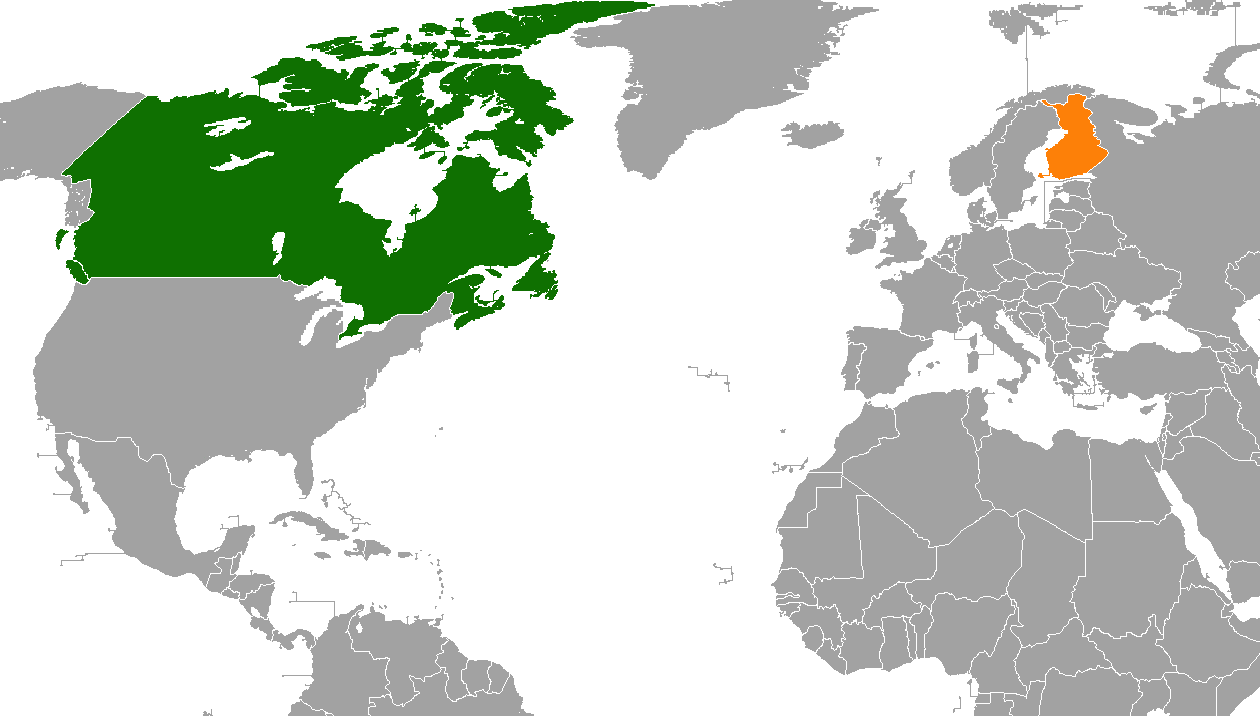 |
| Canada and Finland |
Well, if not the Finnish approach, we need to try SOMETHING different in North America. Because continuing down the same path will lead us to where we've already been, and the old ways just aren't cutting it.
 |
| Good ol' Albert. |
And that, I suppose, is the trick to successful teaching: don't settle into a routine. Stay current, both in your field of expertise and in the tools that you use to deliver a course. Flip the classroom if you want. Start a blog. Get students teaching students. Make the learning experience meaningful and valuable. Don't be scared of where students might take a lesson or discussion: facilitate self-directed learning and discovery.
If you're a science teacher, do more field trips. Set aside the lesson plan for an afternoon, and ask students to simply observe, to look for patterns, for research questions, for new information in a familiar habitat or setting. Let THEM discover and uncover - hang up your hat as content expert and see what they can learn or observe for themselves. Foster curiosity and ownership. Trust that they are capable of brilliance, and facilitate their analytical skills.
Ok. The soapbox has been put away. Now back to regular scheduled programming.